Supply, demand at root of rising peanut butter costs

An editorial

What is in this article?:

• Some consumers may have concluded from these reports that farmers are responsible for the higher peanut butter prices peanut butter manufacturers have announced. 


• Although some farmers have been offered $800 to $1,000 a ton for their peanuts this fall, most farmers contracted their peanuts for $550 to $600 a ton before planting their crop last spring.

Georgia Peanut Commission Chairman Armond Morris and Georgia Farm Bureau President Zippy Duvall are submitting this editorial to address the misconception consumers may have that rising peanut butter costs are due to higher peanut prices paid to farmers. Georgia grows almost half of all peanuts produced in the U.S. The Georgia Peanut Commission represents Georgia’s 4,500 peanut farmers. Georgia Farm Bureau is the state’s largest general farm organization and many of its members grow peanuts.

Recent reports of increasing peanut butter costs and farmers receiving record high peanut prices don’t tell the whole story.

Some consumers may have concluded from these reports that farmers are responsible for the higher peanut butter prices peanut butter manufacturers have announced. 

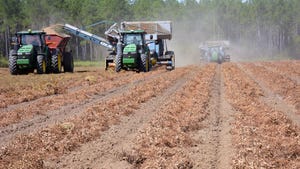
Although some farmers have been offered $800 to $1,000 a ton for their peanuts this fall, most farmers contracted their peanuts for $550 to $600 a ton before planting their crop last spring.

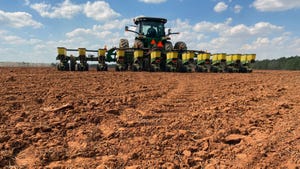
Farmers forward contract their crops in order to obtain financing to buy supplies needed to plant the crop.


Peanut market experts estimate 75 to 80 percent of Georgia’s farmers contracted their peanuts with buyers at the lower prices, so only 20 to 25 percent of the peanuts that farmers are harvesting this fall are expected to be sold at the higher prices. 


References to USDA estimated prices, known in the industry as the USDA National Posted Price, also misled consumers. In mid-October, the USDA National Posted Price, which is issued weekly, listed runner peanuts — the type used to make peanut butter — at $1,200 a ton, but it’s well known in the peanut industry that farmers never receive the USDA estimated price. 


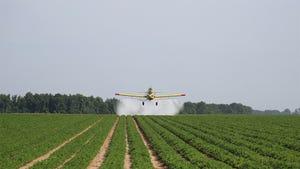
A low supply of peanuts left from last year’s crop, poor market prices at planting and drought conditions throughout this year’s growing season have converged at one time to create a perfect storm that is driving up the price of peanuts.

The tight peanut supply and the rules of supply and demand, not farmers, are responsible for higher prices consumers may experience. 


Discuss this Article 1

Anonymous (not verified)
on Oct 27, 2011

"The tight peanut supply and the rules of supply and demand, not farmers, are responsible for higher prices consumers may experience."

While I agree with that sentiment and support protecting American farmers from the onslaught of imports, it's a bit disingenuous to blame solely the weather in the American SE and "the rules of supply and demand."

Tarrif-rate quotas (TRQs) are used to control prices by installing a man-made economic mechanism to ensure prices don't go through the floor. This is why, for example, American pays the world's highest prices for sugar -- because we limit the flood of cheap sugar from our southern neighbors -- called dumping. (Dumping, by the way, is simply another way of saying "too much" supply is being produced in Country A and is being sent to Country B where the demand is high and the prices higher than they would be in the real "free market.")

I support TRQs, because I am willing to pay more for peanut butter to help American farmers. But call a duck a duck: TRQs on peanuts and peanut butter is as much to blame for prices hikes in the North American market. Indonesia is filled with great peanuts, my friends. We stop them from exporting these goods at their prices by artificially controlling the prices.

Post new comment
Sign In or register to use your Southeast Farm Press ID
(optional)

Continuing Education Courses
New Course
The 2,000-member Weed Science Society of America’s (WSSA) Herbicide Resistance Action...
New Course
The course details six of the primary diseases affecting citrus: Huanglongbing (Citrus...
Potassium nitrate has a positive effect in controlling plant pests and diseases when applied...

Newsletter Sign Up