Make preparations for hurricane season

May 26, 2009 9:35 AM

As the 2009 hurricane season nears, North Carolina Agriculture Commissioner Steve Troxler reminds farmers to take necessary steps to help protect their farms, families and workers if a storm strikes.

“Planning is essential to reducing the potential damage from hurricanes and tropical storms,” Troxler said. “Preparing now can help farmers avoid learning hard lessons later.”

Hurricane season runs June 1-Nov. 30, and weather forecasters predict 12 to 16 named tropical storms in the Atlantic this year.

Farmers need to make preparations for their families, workers, equipment and buildings, and have backup plans for electricity for their barns and other critical farm facilities, Troxler said. In addition, livestock operations should maintain emergency plans that address power needs and on-site feed capabilities.

Troxler said farmers should have a transfer switch properly installed so they can use a generator. A properly installed transfer switch is critical for the protection of farm facilities and utility workers, he said.

Troxler offered the following tips for preparing farms for major storms:

• Store or secure items or equipment that might blow away.

• Identify places to relocate animals from low-lying areas.

• Check generators to be sure they are in good working order and secure a sufficient amount of fuel to operate them.

• Turn off the propane supply at tanks.

• Secure propane tanks in the event of flooding to prevent them from floating away.

• Move equipment to the highest open ground possible away from trees or buildings that could cause damage.

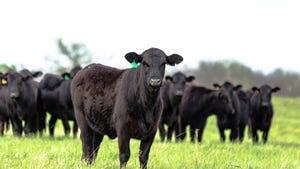
• Mark animals with an identifier so they can be easily returned if lost. Examples are ear tags with name of farm and phone numbers, brands, paint markings on hooves or coat or clipped initials in the hair.

• Move feed to higher ground or to a more accessible place in case of flooding or transportation problems.

• Pesticide storage areas should be secure, and farmers in low-lying areas should do whatever they can to elevate or move pesticides to locations that are less likely to flood.

• Coordinate with neighbors beforehand and discuss what resources can be shared. Examples include a backhoe or set of livestock panels.

• Keep a list of important phone numbers in order to make calls following a storm. Examples include the local emergency management office, county extension agent, insurance agent, county Farm Service Agency and private veterinarian.

• Monitor local weather reports for up-to-the-minute information on storms.

For more information, go to www.ncagr.com/paffairs/stormprep.htm.

Get Copyright ClearanceWant to use this article? Click here for options!
© 2009 Penton Media, Inc.


Latest Jobs

Subscribe to RSS headline updates from:
Powered by FeedBurner

Continuing Education

Accredited in Florida, Georgia, New Mexico, Oklahoma, Texas, South Carolina and Tennessee:


(New Course)
Weed Resistance Management in Cotton

This course covers a wide range of options to effectively control weeds in cotton and reduce the risk of weed resistance management. It is accredited for hours/units for licensed/accredited applicators in 7 U.S. Cotton Belt states (Florida, Georgia, New Mexico, Oklahoma, Texas, South Carolina an d Tennessee. CCA credit is pending).

(New Course)
New Mode of Action Chemistry for Vegetable Production

Integration of a new mode of action compound like Coragen into IPM and IRM programs to control Lepidoptera in leafy greens, fruiting vegetables, peppers and brassica or cole crops is always welcome. This online CE accredited course details how best to use this new mode of action insecticide in intensive vegetable production. It is accredited by the Certified Crop Adviser (CCA) program and by state agencies for licensed applicators in Texas, Georgia, Florida, New Jersey and Pennsylvania.

(New Course)
Utilizing Calcium as Nutrient That Protects Against Disease Organisms

This online accredited course focuses on Calcium, an important plant nutrient in fertilizer management for maximum, healthy plant development as well as disease and pest prevention. It is accredited by the Certified Crop Adviser (CCA) program and for licensed applicators in licensed Georgia, Florida, Pennsylvania and New Jersey. Credit applications are pending in South Carolina, Tennessee, Virginia, West Virginia and Washington.

This course is accredited in Texas, Oklahoma, New Mexico, Virginia, West Virginia and Wyoming as well as for CCA credits:

(New Course)
Spray Drift Management

Keeping crop protection chemicals on the crop for which they are intended has been a cornerstone of farming not only to protect neighboring crops, but to not waste money allowing products to drift off the intended target. This accredited online continuing education course covers the critical elements of spray drift management.

Back to Top

Browse Print Issues

Additional Resources

subscribe to Farm Press Daily Delta Farm Press Southwest Farm Press Western Farm Press