Kentucky imposes livestock restrictions

Jun 18, 2009 10:17 AM

“Kentucky’s livestock industry generates about $3 billion a year in cash receipts to farmers every year. We will do everything we can under the law to protect this vital sector of Kentucky agriculture.”


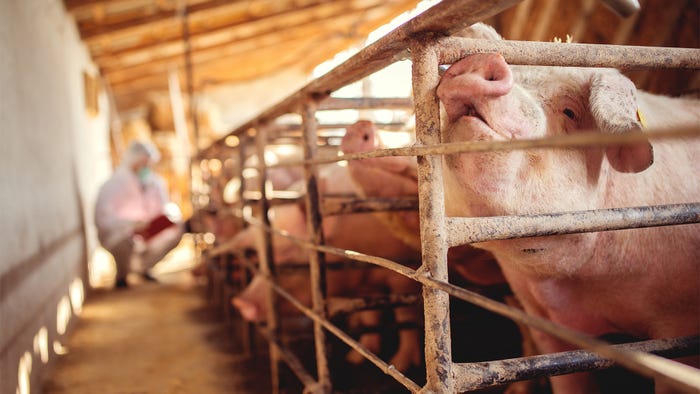
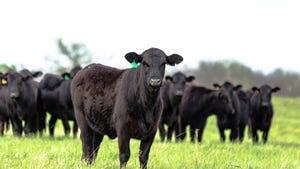
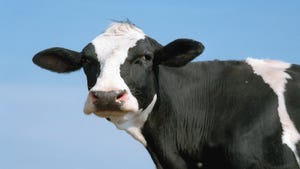
Kentucky State Veterinarian Robert C. Stout has imposed restrictions on certain livestock entering the state from Nebraska and Texas as a result of outbreaks of tuberculosis in cattle in those states.


Kentucky also has prohibited entry of livestock from one south Texas county because a horse there has been diagnosed with vesicular stomatitis.


“The very best way to manage these diseases is to keep them from getting into Kentucky’s livestock in the first place,” Dr. Stout said. “Kentucky’s livestock industry generates about $3 billion a year in cash receipts to farmers every year. We will do everything we can under the law to protect this vital sector of Kentucky agriculture.”
The new rules on livestock from Nebraska and Texas require a negative tuberculosis test within 60 days of entry into Kentucky or movement from an accredited herd for cattle 18 months old or older and goats and camelids six months old or older.


Nebraska officials have confirmed tuberculosis in two cattle in the north-central part of the state. The state has quarantined 32 herds with about 15,000 adult cattle. The National Veterinary Services Laboratory in Ames, Iowa, has confirmed a diagnosis of tuberculosis in a dairy cattle herd in west Texas.


The Texas Animal Health Commission has announced that vesicular stomatitis in 2009 was found in a horse in Starr County in far south Texas. Kentucky state regulations prohibit the entry of all livestock, wild and exotic animals into the Commonwealth from the VS-infected county. Regulations require livestock, wild and exotic animals from the rest of Texas to be tested and found negative for VS within 10 days of entering Kentucky, have an entry permit from the state veterinarian’s office, and have a Certificate of Veterinary Inspection showing that the animals have been examined within five days of entering Kentucky.


Vesicular stomatitis is a viral disease that occurs sporadically in the U.S., usually in southwestern states. It can affect horses, cattle and swine, and occasionally sheep, goats and deer. It causes blisters to form in the animal’s mouth, on teats or along the hooves, resulting in excessive salivation, lameness or oozing sores.


The last outbreak of VS in the United States was in Wyoming in 2006. The disease spread through several western states in 2005.


For more information or for updates, go to the Kentucky Department of Agriculture’s Web site, http://www.kyagr.com, and click on Animal Health or call the Office of the State Veterinarian at (502) 564-3956.

Get Copyright ClearanceWant to use this article? Click here for options!
© 2009 Penton Media, Inc.


Latest Jobs

Subscribe to RSS headline updates from:
Powered by FeedBurner

Continuing Education

Accredited in Florida, Georgia, New Mexico, Oklahoma, Texas, South Carolina and Tennessee:


(New Course)
Weed Resistance Management in Cotton

This course covers a wide range of options to effectively control weeds in cotton and reduce the risk of weed resistance management. It is accredited for hours/units for licensed/accredited applicators in 7 U.S. Cotton Belt states (Florida, Georgia, New Mexico, Oklahoma, Texas, South Carolina an d Tennessee. CCA credit is pending).

(New Course)
New Mode of Action Chemistry for Vegetable Production

Integration of a new mode of action compound like Coragen into IPM and IRM programs to control Lepidoptera in leafy greens, fruiting vegetables, peppers and brassica or cole crops is always welcome. This online CE accredited course details how best to use this new mode of action insecticide in intensive vegetable production. It is accredited by the Certified Crop Adviser (CCA) program and by state agencies for licensed applicators in Texas, Georgia, Florida, New Jersey and Pennsylvania.

(New Course)
Utilizing Calcium as Nutrient That Protects Against Disease Organisms

This online accredited course focuses on Calcium, an important plant nutrient in fertilizer management for maximum, healthy plant development as well as disease and pest prevention. It is accredited by the Certified Crop Adviser (CCA) program and for licensed applicators in licensed Georgia, Florida, Pennsylvania and New Jersey. Credit applications are pending in South Carolina, Tennessee, Virginia, West Virginia and Washington.

This course is accredited in Texas, Oklahoma, New Mexico, Virginia, West Virginia and Wyoming as well as for CCA credits:

(New Course)
Spray Drift Management

Keeping crop protection chemicals on the crop for which they are intended has been a cornerstone of farming not only to protect neighboring crops, but to not waste money allowing products to drift off the intended target. This accredited online continuing education course covers the critical elements of spray drift management.

Back to Top

Browse Print Issues

Additional Resources

subscribe to Farm Press Daily Delta Farm Press Southwest Farm Press Western Farm Press