Farmland investment: A cautionary tale

What is in this article?:

• Right now, investors are looking at several farm-related opportunities.

• In some respects, these investments are lucrative.

 • On the other hand, they may be setting us up for a 1980s flashback — a trip back into one of the most painful periods of U.S. farming history.

Dear Mr. Farmland Investor:

If you’re thinking about investing in agricultural land, you should think long and hard. 

Right now, investors are looking at several farm-related opportunities. In some respects, these investments are lucrative. On the other hand, they may be setting us up for a 1980s flashback — a trip back into one of the most painful periods of U.S. farming history.

Remember the 1980s movie sensation “Back to the Future?”  Let’s hope it’s not the 1980s.

Agricultural farmland investment can be profitable. However, it’s also risky and should be carefully considered.

Farmland Ownership

In the view of some, farmland ownership offers a host of opportunities — or does it?

That all depends on several factors — what’s produced, whether the farm has government program base acreages, it’s location, and, most important of all, whether there is any competition for renting the land.

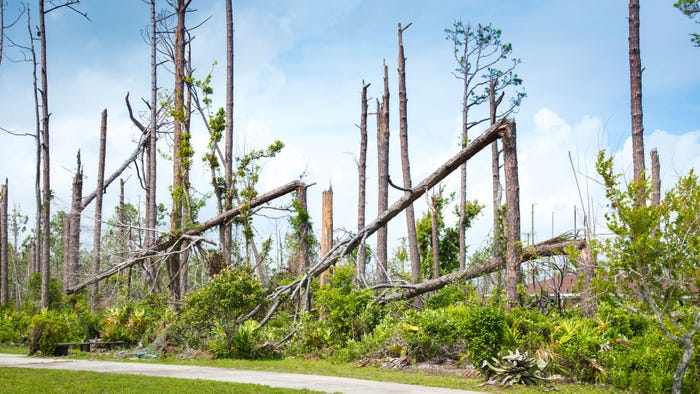
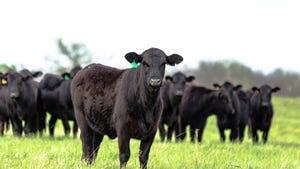
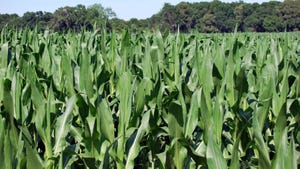
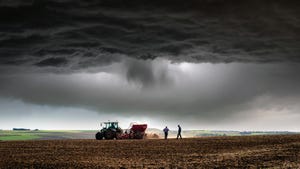
Other factors must be considered too. For example, is the land associated with livestock or row crops?  Each has its own risks and rewards.  Both, during certain times, face tremendous market volatility. In some cases, cropland tied in with fruit and vegetable production offers lucrative opportunities.  But returns can be high or low, depending on the vagaries of the weather and markets. Droughts, floods, tornadoes and, in the case of Southeastern farming, hurricanes are risks faced by farmers.

How does one make money as a farmland owner?

Farmland owners have the option of renting on a cash-rent or crop-share basis, though cash rent remains the most reliable revenue source. Crop-share arrangements are riskier because the owner, along with the producer, must bear any production shortfalls that may occur due to weather or other risks.

Also remember that on a crop sharing arrangement it’s the owner’s responsibility to store and sell his or her share of the crop. Sometimes it’s better to store a couple of months; sometimes it’s better to sell right away. In any case, the owner bears the risk of marketing the crop. Farm cash rent payments are a possibility, but has its risks too. 

Discuss this Article 2

CONTINENTAL ILLINOIS
on Jul 11, 2011

We commend and thank Southeast Farm Press and Professor Novak for presenting an excellent article on agri-business investments.

As has been reported in the press, we have acquired the rights to the Continental Illinois name, and are interested in a number of areas which we feel represent "heartland finance" and the agri-business sector is a sector from which we are interested to receive proposals. We are also interested in proposals and investment inquiries relating to the food processing industries. At this time we are a basic holding corporation, registered in Delaware, not a bank. We have acquired the Continental Illinois trademark and goodwill only, which is all that was left, but we think it can amount to something and, we hope, even surpass the high points in its corporate history.

As Professor Novak has noted, the sector is not without its risks, however agri-business has always been one of America's leading industries, and we feel that should and will continue.

Interested parties are welcome and invited to make contact with us via the website or email as indicated below.

Matthew W. Lechner
Chairman of the Board
Continental Illinois Holding Corporation

MWL@ContinentalIllinois.com
www.ContinentalIllinois.com

David Garner (not verified)
on Jul 14, 2011

Farmland investments and agriculture investments, specifically the acquisition of farmland as an investment asset carries a different set of risks to traditional assets such as cash, bonds and equities.

I am of the opinion that farmland of good quality with a guaranteed water supply will be one of the most valuable assets on earth in 20 years time as we approach peak population and are no longer able to increase yield or bring on more farmland.

I think to invest in farmland requires a number of unique skillsets that the investor alone does not posses. To invest in farmland successfully the investor should be partnered with local network able to source quality land, and local operatoprs who have a successful track record in local agricultural production.

Also qualified local legal assistance is essential to enasure that the investor remains aware of potential legal risks and financial obligations as a land-owner.

At DGC we marry experienced agricultural operators with investment capital and land assets, using local netwroks to source farmland based on their local knowledge.

Investors are not farmers, farmers are farmers, and each party should do what they do best, investors stump up capital and acquire appreciating, income-genrating assets, local operators can farm the land effectively, enjoying increased economies of scale enabling them to adapt quickly to changes in technology.

Investors also need to be aware of the risks in farming, specifically uncontrollable volatility in yield and prices, and whilst these risks cannot be eliminated, they can be planned for and hedged against.

If an investor chooses an operational asset management model - working the farm through a proxy local operator - they should keep an amount of liquidity to fund inputs in seasons subsequent to a season that produced a poor yield.

Better in most cases to simply lease the land to a local farmer, sacrificing the upside potential but minimising the downside potential too.

This strategy keeps all parties happy, with every party doing what they do best.

dg@dgcassetmanagement.com

www.dgcassetmanagement.com

Post new comment
Sign In or register to use your Southeast Farm Press ID
(optional)

Continuing Education Courses
New Course
The 2,000-member Weed Science Society of America’s (WSSA) Herbicide Resistance Action...
New Course
The course details six of the primary diseases affecting citrus: Huanglongbing (Citrus...
Potassium nitrate has a positive effect in controlling plant pests and diseases when applied...

Newsletter Sign Up