By Paul L. Hollis, Farm Press Editorial Staff
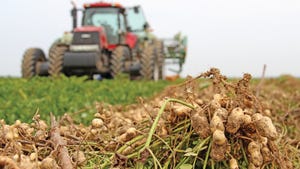
In a production year in which rainfall is plentiful and some growers even have to cope with flooding, it’s easy to forget about the specter of drought....
By Katie Pratt, University of Kentucky
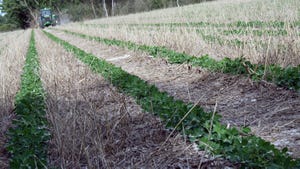
Reducing soil erosion in fields is important to maintaining the quality of the environment, and it could have economical benefits for farmers. ...
By Peter Hull, Clemson University
At first glance, Clemson University’s Will Henderson looks like he’s moving a house. ...
By Carol Spence, University of Kentucky
Farmers often can look over their fields at specific times of the year and tell from the crop's color whether or not it needs nitrogen. ...
By Margaret Lawrence, Auburn University
Successful grain producers are firm believers in prevention as the first defense against pests in their grain bins. ...
By Katie Pratt, University of Kentucky
Agricultural technology is rapidly growing and improving as farmers across the nation look for ways to increase profits. ...
Specialty Sales Co., Sumner, Georgia, has joined the AutoFarm Reseller Alliance Network to offer AutoFarm GPS Steering and Machine Control Solutions in the south Georgia region. ...
By Aimee Nielson
University of Kentucky
Summer is a busy time for Kentucky farmers, and farming is one of the most dangerous occupations in the United States....
By Jim Langcuster
Auburn University
Alabama farmers who want to become better stewards and improve environmental quality have until June 19, 2009, to sign up for an incentive provided through the Environmental Quality Incentive Program (EQIP)....
By Brad Haire
University of Georgia
Due to its internal makeup, a pecan tree naturally makes a big crop every other year. ...
advertisement

This course covers a wide range of options to effectively control weeds in cotton and reduce the risk of weed resistance management. It is accredited for hours/units for licensed/accredited applicators in 7 U.S. Cotton Belt states (Florida, Georgia, New Mexico, Oklahoma, Texas, South Carolina an d Tennessee. CCA credit is pending).
Integration of a new mode of action compound like Coragen into IPM and IRM programs to control Lepidoptera in leafy greens, fruiting vegetables, peppers and brassica or cole crops is always welcome. This online CE accredited course details how best to use this new mode of action insecticide in intensive vegetable production. It is accredited by the Certified Crop Adviser (CCA) program and by state agencies for licensed applicators in Texas, Georgia, Florida, New Jersey and Pennsylvania.
(New Course)This online accredited course focuses on Calcium, an important plant nutrient in fertilizer management for maximum, healthy plant development as well as disease and pest prevention. It is accredited by the Certified Crop Adviser (CCA) program and for licensed applicators in licensed Georgia, Florida, Pennsylvania and New Jersey. Credit applications are pending in South Carolina, Tennessee, Virginia, West Virginia and Washington.
Keeping crop protection chemicals on the crop for which they are intended has been a cornerstone of farming not only to protect neighboring crops, but to not waste money allowing products to drift off the intended target. This accredited online continuing education course covers the critical elements of spray drift management.