New herbicide technology in pipeline for cotton, soybeans

What is in this article?:

• As early as this year soybean growers may have access to Xtend, a combination of dicamba and glyphosate for use on transgenic plants with tolerance to the two herbicides.

• Enlist, a combination of glylphosate and a new choline formulation of 2,4-D for use on plants with double stacked weed protection technology from these popular herbicides will likely follow in the next couple of years.

• What products ultimately come out won’t change the need by growers to use these products correctly.

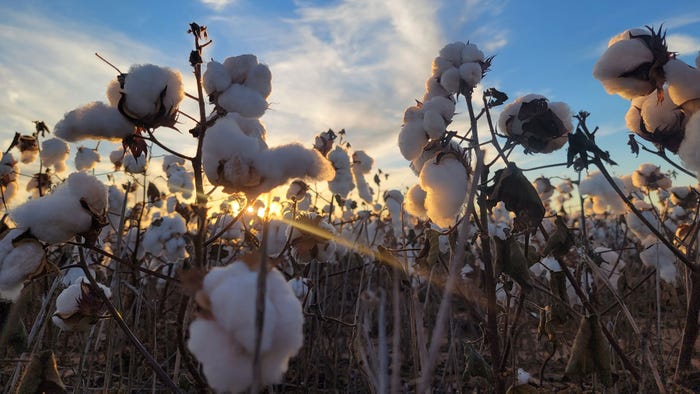
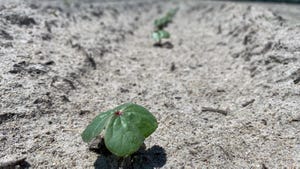
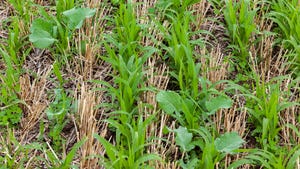
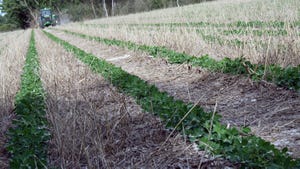
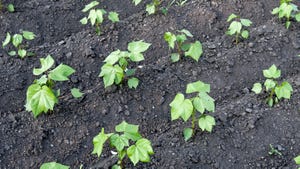
COTTON TREATED WITH glufosinate, glyphosate and dicamba looks good in North Carolina State weed tests.


Soybean and cotton growers are likely to get some new weed control technology over the next 2-3 years and using it properly is going to be critical to both its early success and its longevity, says North Carolina State University Weed Specialist Alan York.

As early as this year soybean growers may have access to Xtend, a combination of dicamba and glyphosate for use on transgenic plants with tolerance to the two herbicides.

Enlist, a combination of glylphosate and a new choline formulation of 2,4-D for use on plants with double stacked weed protection technology from these popular herbicides will likely follow in the next couple of years.

What products ultimately come out won’t change the need by growers to use these products correctly.

It also won’t change the fact that 2,4-D and dicamba have been around a long time and while these chemistries will add  something to weed control in cotton and soybeans, they do not represent a new silver bullet for guaranteed control.

Several future combinations of herbicides will likely contain glufosinate, the active ingredient in Liberty herbicide.

When to use these herbicides may be a critical factor on how well they work, York says.

For several years Ignite (glufosinate), now sold as Liberty, has had on its label precautions against spraying two hours before sunset or two hours after sunrise.

“I didn’t think too much about it. I figured the label was primarily for the Midwest, where velvetleaf is a leading weed problem. It droops its leaves at night and with leaves drooped, coverage is not good,” he says.

“With all the new combinations of herbicides coming down the road in the next few years, we decided to take a look at spraying glufosinate too early or too late. Not all the new combinations of herbicides will contain glufosinate, but several will,” he adds.

Discuss this Article 3

Ben Calvin (not verified)
on Jan 18, 2013

Well Mr York, it seems that you are saying to read and follow label directions for best results. I guess it is good to hae "independent" verification of the heribicide's manufacturer directions.

Anonymous (not verified)
on Jan 21, 2013

Good research. Lot of farmers will want to get out early before the wind picks up to spray 2,4-D/Dicamba + Liberty, but they might not get the control they are looking for from Liberty.

Anonymous (not verified)
on Jan 28, 2013

Good Information!

Post new comment
Sign In or register to use your Southeast Farm Press ID
(optional)

Continuing Education Courses
New Course
The 2,000-member Weed Science Society of America’s (WSSA) Herbicide Resistance Action...
New Course
The course details six of the primary diseases affecting citrus: Huanglongbing (Citrus...
Potassium nitrate has a positive effect in controlling plant pests and diseases when applied...

Newsletter Sign Up