AMS lists 2009 cottonseed preferences

More About:

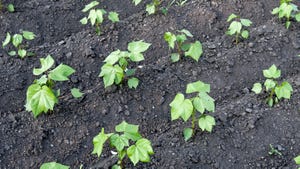
Deltapine cottonseed was the most planted brand of upland cotton in the United States in 2009, according to USDA’s Agricultural Marketing Service.

Deltapine brand varieties accounted for about 39.32 percent of U.S. acreage, including 74.5 percent of acreage planted in the Southeast, 41.8 percent of acreage planted in the Mid-South, 21 percent in the Southwest and 49.1 percent in the West.

Deltapine’s most popular varieties were DP 555 BG/RR, DP 0924 B2RF, DP 164 B2RF, and DP 0935 B2RF, accounting respectively for 15.8, 3.3, 3.2, and 3.18 percent of the U.S. upland cotton acreage.

Bayer CropScience FiberMax brand varieties were the second most popular planted in 2009, accounting for about 34.5 percent of U.S. acreage. These varieties accounted for 1.7 percent of the acreage planted in the Southeast, 1.3 percent in the Mid-South, 65 percent in the Southwest and 14.7 percent in the West.

The most popular Bayer CropScience FiberMax varieties were FM 9058 F, FM 9063 B2F, FM 9180 B2F, and FM 958, accounting respectively for about 9.4, 8.8, 4.5, and 3.5 percent of U.S. acreage planted to upland cotton.

Bayer CropScience Stoneville brand varieties were the third most popular planted in 2009, accounting for about 11.5 percent of the acreage planted. They accounted for 8.4 percent of the acreage planted in the Southeast, 38.1 percent of the acreage in the Mid-South, 1.7 percent in the Southwest and 15.6 percent in the West.

The most popular Stoneville varieties were ST 4554 B2RF, ST 5458 B2F, and ST 4498 B2RF, accounting respectively for 3.9, 2.8, and 2.4 percent of the U.S. acreage planted to upland cotton.

PhytoGen brand varieties were the fourth most popular planted in 2009, accounting for about 7.2 percent of U.S. acreage. They accounted for 11.6 percent of the acreage planted in the Southeast, 15.8 percent of the acreage in the Mid-South, less than 1 percent in the Southwest and 19.3 percent in the West.

The most popular PhytoGen brand varieties were PHY 375 WRF and PHY 485 WRF, accounting respectively for about 4.6 and 0.9 percent of U.S. acreage planted to upland cotton.

Americot brand varieties were the next most popular and accounted for about 3.2 percent of the U.S. acreage planted in 2009.

All-Tex brand varieties were the next most popular and accounted for about 1.4 percent of U.S. acreage planted in 2009.

Dyna-Gro varieties were the seventh most popular and accounted for about 1.2 percent of 2009 cotton acreage.

DP 555 BG/RR was the most popular variety in the United States in 2009, planted on 15.98 percent of U.S. acreage, followed by: FM 9058F, 9.38 percent; FM 9063 B2F, 8.77 percent; PHY 375 WRF, 4.61 percent; FM 9180 B2F, 4.49 percent; ST 4554 B2RF, 3.89 percent; and FM 958, 3.45 percent.

In the Mid-South, PhytoGen’s 375 WRF edged out two Stoneville varieties for dominance.

Thanks to a good showing in Tennessee, where 41.3 percent of cotton acreage was planted to the variety, PHY 375 WRF staked out a 12.97 percent share, followed by ST 4554B2RF, 12.82 percent, and ST 5458 B2F, at 10.8 percent.

The most popular variety planted in the Southeast in 2009 was DP 555 BG/RR, at 58.28 percent, followed by PHY 375 WRF, 6.47 percent, and DP 0935 B2RF, 4.68 percent.

The most popular varieties planted in the Southwest in 2009 were: FM 9058 F, 18.3 percent; FM 9063 B2F, 16.98 percent; and FM 9180 B2F, 8.68 percent.

The most popular varieties planted in the West in 2009 were: DP 164 B2RF, 21.64 percent; PHY 725 RF Acala, 11.57 percent; and DP 161 B2RF, 9.42 percent.

PhytoGen was the most popular brand of American Pima varieties planted in 2009. PhytoGen variety PHY 800 Pima accounted for 40.1 percent of U.S. Pima acreage and was the most popular variety planted in California (44.3 percent of California Pima acreage).

Deltapine’s DP 340 Pima was the second most planted American Pima variety and accounted for 24.2 percent of the U.S. crop. PhytoGen’s PHY 830 Pima was the next most popular variety and accounted for 17.9 percent of U.S. Pima acreage.

Bayer CropScience FM 958 and ADF 2485 were the predominate varieties planted by organic cotton producers.

Transgenic varieties — genetically engineered varieties resistant to worms, herbicides, or both — accounted for about 94.8 percent of the upland cotton planted in the United States in 2009. Transgenic varieties in 2009 varied from a high of 100 percent in Louisiana, Mississippi, Missouri, and South Carolina to a low of 89.1 percent in California.

Other states planted from 96 percent to 99 percent transgenic except for Texas (90.4 percent).

Estimates of the percentage of the various varieties of cotton planted in the United States for 2009 were based on informal surveys made by the Cotton Program Classing Offices. Those surveyed included ginners, seed dealers, extension agents, and other knowledgeable sources.

e-mail: erobinson@farmpress.com

Discuss this article 0

Post new comment

Sign in or Register to use your South East Farm Press ID
(optional)
CAPTCHA
This question is for testing whether you are a human visitor and to prevent automated spam submissions.
Incorrect please try again
Enter the words above: Enter the numbers you hear:
Sign Up
Sign Up!

For the South East Farm Press Newsletter
Keep up with the latest news with our daily newsletter

Continuing Education Courses
New Course

Biopesticides are increasingly being recommended as components of Integrated Pest Management (IPM) programs in the production of non-organic high-value specialty crops like fruit, nut, vegetable, vine, ornamental and turf.

New Course

This course covers a wide range of options to effectively control weeds in cotton and reduce the risk of weed resistance management.

New Course

Integration of a new mode of action compound like Coragen into IPM and IRM programs to control Lepidoptera in leafy greens, fruiting vegetables, peppers and brassica or cole crops is always welcome.