No acreage increase seen for U.S. soybeans in 2011

What is in this article?:

• Double-cropping might be a good enterprise for some Southeastern producers, but it also has its drawbacks.

• The market is not sending strong signals at the moment to store soybeans.

• South America is just gearing up to start its planting season, and that’s going to factor into any bidding between corn and soybeans.

More About:

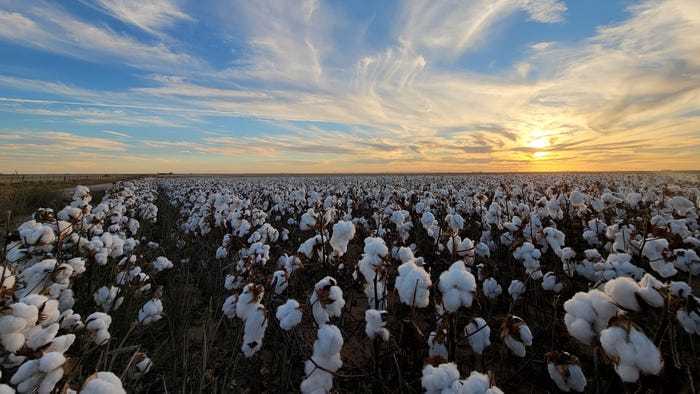
With $1 cotton and potentially higher corn prices, it’s not a far reach to predict there will be fewer soybean acres in the United States next year.

“This will be especially true in the Southeast, given the limited yield ability of soybeans,” says Todd Davis, Clemson University Extension economist. Davis presented the soybean market situation and outlook at the recent Southern Region Agricultural Outlook Conference held in Atlanta.

Double-cropping might be a good enterprise for some Southeastern producers, but it also has its drawbacks, he says. “Some of the concerns I’m hearing in South Carolina include to inability to find good wheat seed. There’s also the larger concern of the ability of growers to produce a quality crop. I’ve heard a lot of anecdotes from producers who experienced large quality discounts on wheat this year. That might affect any double-cropping decisions,” says Davis.

The market, he says, is not sending strong signals at the moment to store soybeans.

“But we’re still a little bit early. If we’re back in the position of bidding for acres between corn and soybeans, it won’t last long. It’s too early to prognosticate too seriously because of late August weather and how ponding might affect yields in the Midwest. Also, South America is just gearing up to start its planting season, and that’s going to factor into any bidding between corn and soybeans.

“But there will be fewer acres of soybeans in this next crop year,” says Davis. “Economics should drive futures toward corn in the Midwest. Any acreage bidding between corn and soybeans will be more about the market being concerned about protecting soybeans so we don’t empty all of the grain bins.”

According to the October USDA report, the 2010 U.S. soybean crop is now forecast at 3.408 billion bushels, 75 million smaller than the September forecast, but 49 million larger than the 2009 crop. The lower forecast reflected a reduction of 1.163 million bushels in the estimate of harvested acreage and a 0.3 bushel reduction in the yield forecast. At 44.4 bushels, the 2010 average U.S. yield is still expected to be record large. The November 2010 soybean futures contract traded to a high of $11.89 on Oct. 11.

Looking at how the 2010 soybean production season began, Davis says producers were “chomping at the bit” to plant soybeans this year.

Discuss this article 0

Post new comment
Sign In or register to use your Southeast Farm Press ID

(optional)

Continuing Education Courses
New Course
The 2,000-member Weed Science Society of America’s (WSSA) Herbicide Resistance Action...
New Course
The course details six of the primary diseases affecting citrus: Huanglongbing (Citrus...
Potassium nitrate has a positive effect in controlling plant pests and diseases when applied...
Farmer-to-Farmer Used Equipment