Edible soybeans an option for 2007 planting season?

Oct 9, 2006 9:51 AM, By Roy Roberson
Farm Press Editorial Staff

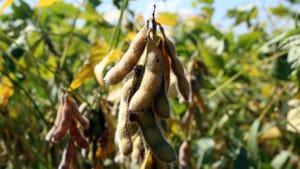
Small-seeded, highly water absorbing edible soybeans varieties have been grown for a number of years in Virginia, but new contract opportunities from Montague Farms offer even more opportunities for the 2007 season.

In the past yield has been a problem in Virginia. Natto beans have only yielded about 80 percent of the yield of conventional beans grown for oil and livestock feed.

MFS-591 is the ‘gold standard’ for natto soybean varieties, because of its high quality. Virginia Tech soybean breeders have been able to develop varieties with yield potential comparable to conventional beans, but these varieties have not met quality standards of MFS-591

Katy Rainey, a plant breeder at Virginia Tech says, “flavor, color and seed hardness are critical quality factors in the small seeded natto beans. Our breeding material is among the best in the World, and these beans are in high demand in Japan.” The challenge, she says is to incorporate all these traits, plus yield potential, into one variety.

For growers who are able to meet these quality standards, premium prices may be $2.25 per bushel for Natto beans, compared to conventional beans. Growers interested in growing natto beans should contact Virginia Tech Soybean Specialist David Holshouser.

Holshouser, who has headed Virginia Tech’s soybean program for 10 years says the addition of natto beans as a niche crop for Virginia growers brings some challenges to both soybean growers and researchers.

“Hogs, cattle and chickens may not be too particular to how soybeans taste, but the people who eat edible beans are keenly aware of it,” he says.

e-mail: rroberson@farmpress.com

Get Copyright ClearanceWant to use this article? Click here for options!
© 2009 Penton Media, Inc.


Latest Jobs

resources

events icon events

product info icon tradeshows

tradeshow icon digests

research icon photos

Continuing Education

Accredited in Florida, Georgia, New Mexico, Oklahoma, Texas, South Carolina and Tennessee:


(New Course)
Weed Resistance Management in Cotton

This course covers a wide range of options to effectively control weeds in cotton and reduce the risk of weed resistance management. It is accredited for hours/units for licensed/accredited applicators in 7 U.S. Cotton Belt states (Florida, Georgia, New Mexico, Oklahoma, Texas, South Carolina an d Tennessee. CCA credit is pending).

(New Course)
New Mode of Action Chemistry for Vegetable Production

Integration of a new mode of action compound like Coragen into IPM and IRM programs to control Lepidoptera in leafy greens, fruiting vegetables, peppers and brassica or cole crops is always welcome. This online CE accredited course details how best to use this new mode of action insecticide in intensive vegetable production. It is accredited by the Certified Crop Adviser (CCA) program and by state agencies for licensed applicators in Texas, Georgia, Florida, New Jersey and Pennsylvania.

(New Course)
Utilizing Calcium as Nutrient That Protects Against Disease Organisms

This online accredited course focuses on Calcium, an important plant nutrient in fertilizer management for maximum, healthy plant development as well as disease and pest prevention. It is accredited by the Certified Crop Adviser (CCA) program and for licensed applicators in licensed Georgia, Florida, Pennsylvania and New Jersey. Credit applications are pending in South Carolina, Tennessee, Virginia, West Virginia and Washington.

This course is accredited in Texas, Oklahoma, New Mexico, Virginia, West Virginia and Wyoming as well as for CCA credits:

(New Course)
Spray Drift Management

Keeping crop protection chemicals on the crop for which they are intended has been a cornerstone of farming not only to protect neighboring crops, but to not waste money allowing products to drift off the intended target. This accredited online continuing education course covers the critical elements of spray drift management.

Back to Top

Browse Print Issues

Additional Resources

subscribe to Farm Press Daily Delta Farm Press Southwest Farm Press Western Farm Press