The worst drought since the Dust Bowl, but where’s the dust?

• Overall, farmers generally treated the soils better, with long-term sustainability in mind.

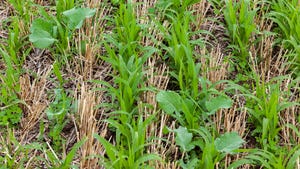
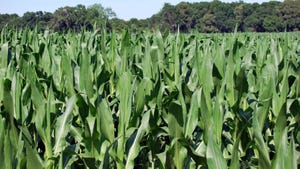
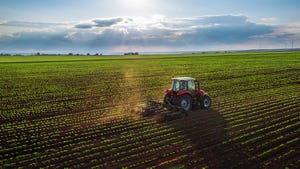
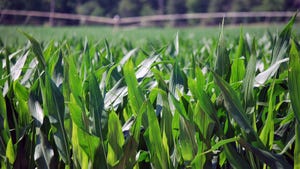
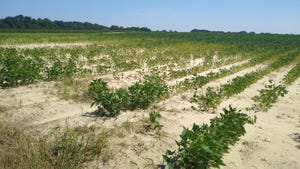
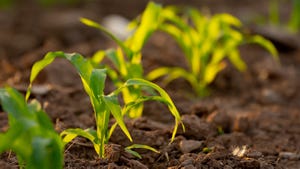
THE 2012 drought left Kentucky corn in tatters, but the soil is mostly intact.

University of Kentuycky photo

The 2012 drought rivals the droughts of the 1930s, or the "Dust Bowl".

But, there is one major difference in the drought of 2012... there's relatively no dust.

I remember my grandfather talking about the Dust Bowl and saying he couldn't see the sun for days. He lived in southeast Ohio, yet some of that soil he saw in the sky was from Nebraska, Kansas and Oklahoma.

We certainly see a very different story today. While there have been reports of massive dust storms in Arizona and similar desert climates, there has been relatively no evidence of dust storms in the Midwest in 2012. So, if our 2012 drought is similar in size and intensity to those of the 1930s, what happened to the dust this time?

For one, the Dust Bowl era experienced multiple years of droughts over a very large area. While much of Texas and Oklahoma have been in a drought for multiple years, most of the remaining Midwest has not.

I think a second factor is how management of the soil has changed since the 1930s.

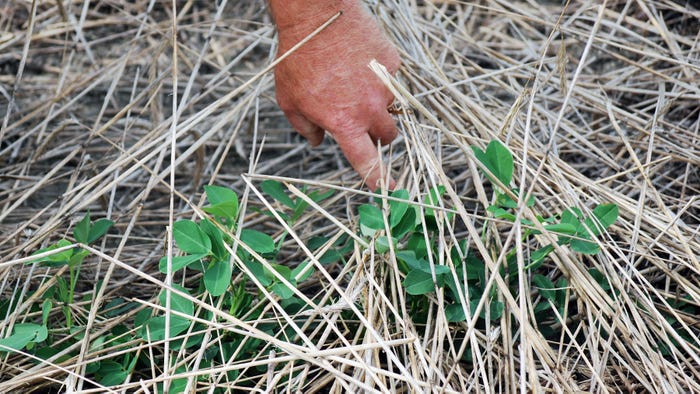
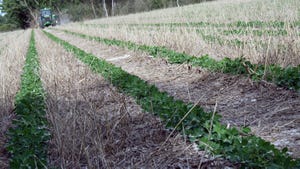
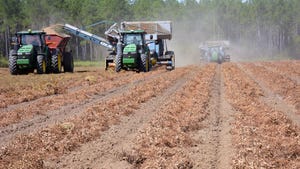
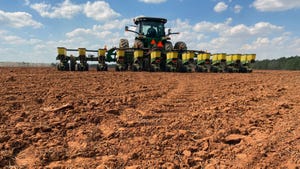
In my opinion, farmers across this nation learned from the mistakes of the Dust Bowl. Farmers planted tree lines, established sod waterways and filter strips, and reduced tillage or eliminated tillage.

Farmers identified that some soils never should have been in annual crops and returned them to perennial grazing lands.

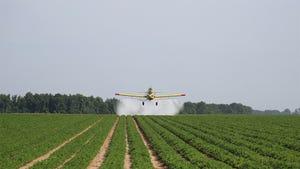
Farmers installed irrigation systems on other soils. Irrigation encouraged plant growth, which held soils together.

Overall, farmers generally treated the soils better, with long-term sustainability in mind.

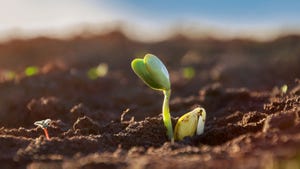
The long-term efforts towards sustainability across the country are reaping the good fruits this season. Even though crop yields are low, we have gained much more by keeping the soil.

In a year as harsh as the Dust Bowl, perhaps one of the greatest achievements in modern agriculture across the country is the fact that our soils are holding together.

Hopefully, we don't need to test that theory next season.


Discuss this Article 5

Anonymous (not verified)
on Sep 17, 2012

Hope you have clue, but here in New Mexico we are worried. Two years of drought conditions.

tmrand
on Sep 18, 2012

Out here in Colorado it was similar to the dust bowl just last year with the fires that were happening south of us and to the west. No growth and heavy winds it was a very rough spring and summer. We also had a farmer from up north come into the area and rip about a bunch of grass and plant dryland corn thanks to the grip program they made a killing because we are considered dessert area here and dryland corn will not grow without an abnormal moisture year. They were able to establish what they needed in order to get paid due to a blizzard in 2006. They left town owing a lot of people money. They put up sprinklers and didn't grow a thing. The wells around here have steadily gone down since we moved here in 1994. Our largest well that was pumping 1200 gpm in 1998 is now down to maybe 500 gpm. So needless to say it is very rare to start pumping wells that have been sitting and think you are going to get a crop but it looks good to the insurance. They deserved a lot of the credit for our dust bowl like days last year and the proceeding few. While so many good techniques are in use there are those people who move into an area and don't understand the ground they are dealing with and don't change their techniques from where they live. Cause the problems the locals deal with. Thanks to some area appropriate rains and the fact those people are now gone and the land is being taken care of by someone who understands the land things are better now, but it was tough when you could see the dirt floating in your house and covering the floor and you could see your foot prints in it.

Anonymous (not verified)
on Sep 18, 2012

Which part of Mexico? What are people doing to help their crops survive the drought conditions? What crops are doing best during this drought? Thanks

Anonymous (not verified)
on Sep 18, 2012

so why the crop death if there's irrigation-? you need to look up in the sky, Google Monsanto & geo-engineering to get an idea of what's going on.

Anonymous (not verified)
on Sep 18, 2012

the real reason is obvious.. in the 1930's hoover practiced volunteerism and did nothing to stop the bank forclosures.. if a farm is not forclosed on and the farmer can get money for seed..his farm can produce..and not turn to dust.. this was the case due to the OBAMA STIMULUS and the directive to hold off on all forclosures that still was not fully implemented..This is the difference between a dem pres who learned from history.. vs a repub pres hoover who listened to bankers and rush limpbrin idiots in the 30's...also there was a heck of a lot more farmland back then that was foreclosed on and thus not seeded with crops..so a bigger and more vast area to turn to dust

Post new comment
Sign In or register to use your Southeast Farm Press ID
(optional)

Continuing Education Courses
New Course
The 2,000-member Weed Science Society of America’s (WSSA) Herbicide Resistance Action...
New Course
The course details six of the primary diseases affecting citrus: Huanglongbing (Citrus...
Potassium nitrate has a positive effect in controlling plant pests and diseases when applied...

Newsletter Sign Up