Share

Crop residues have value

Jan 28, 2009 10:06 AM, By Katie Pratt
University of Kentucky

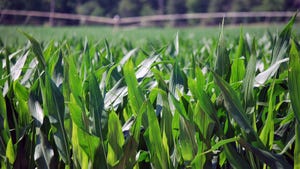
Biofuels continue to be a hot topic in many grain crop producers' circles with some of the most recent discussions surrounding the use of crop residues, such as corn stover, to produce ethanol.

As Kentucky farmers begin to explore this new form of alternative energy, they need to be aware of the value of their crop residue, according to a soil scientist in the University of Kentucky College of Agriculture.

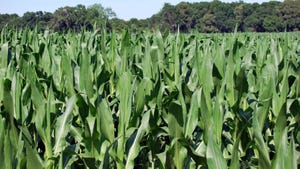
John Grove, associate professor for soil nutrient management, recently released the first year results of a study that explores the short-term effects of various amounts of crop residue left in fields. The study showed that fields with a normal amount of corn stover yielded nine more bushels per acre than fields with no crop residue.

With the current price of corn around $4 per bushel, completely removing the corn stover would cost producers about $36 an acre.

"The nine bushel per acre difference is due to improved water use efficiency," he said. "The stover was able to help the soil retain some of its water during last year's drought."

The study also showed that removal of crop residues resulted in considerable nutrient removal. This could cause producers who remove corn stover to apply more fertilizer to compensate for those losses. If fertilizer prices are high, this could be a costly venture.

"Producers need to realize that corn stover is a lot more than just carbon," Grove said. "It also contains nutrients, such as nitrogen, potassium and phosphorus that the soil will retain and cycle for the next crop. When you remove stover, you change the soil's fertility status."

Producers need to regularly evaluate crop residue values because they can change according to the dryness of the growing season and the price of fertilizer nutrients.

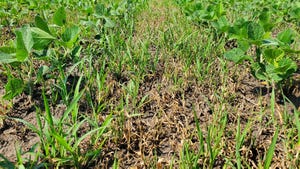
Grove said because of their benefits to the soil and subsequent crops, residues should not be removed every year. Studies published in several soil science publications have found that long-term continuous crop residue removal could lead to a rapid decline in soil organic matter resulting in soil structure and erosion problems.

If producers decide to remove crop residues, they should plant a winter cereal cover crop in the fall and consider applying either compost, poultry litter or other animal waste to the field in the spring to make up for the organic matter and nutrients that were lost as a result of residue removal.

Get Copyright ClearanceWant to use this article? Click here for options!
© 2010 Penton Media, Inc.


Latest Jobs

resources

events icon events

product info icon tradeshows

tradeshow icon digests

research icon photos

Continuing Education

Accredited in Florida, Georgia, New Mexico, Oklahoma, Texas, South Carolina and Tennessee:


(New Course)
Weed Resistance Management in Cotton

This course covers a wide range of options to effectively control weeds in cotton and reduce the risk of weed resistance management. It is accredited for hours/units for licensed/accredited applicators in 7 U.S. Cotton Belt states (Florida, Georgia, New Mexico, Oklahoma, Texas, South Carolina an d Tennessee. CCA credit is pending).

(New Course)
New Mode of Action Chemistry for Vegetable Production

Integration of a new mode of action compound like Coragen into IPM and IRM programs to control Lepidoptera in leafy greens, fruiting vegetables, peppers and brassica or cole crops is always welcome. This online CE accredited course details how best to use this new mode of action insecticide in intensive vegetable production. It is accredited by the Certified Crop Adviser (CCA) program and by state agencies for licensed applicators in Texas, Georgia, Florida, New Jersey and Pennsylvania.

(New Course)
Utilizing Calcium as Nutrient That Protects Against Disease Organisms

This online accredited course focuses on Calcium, an important plant nutrient in fertilizer management for maximum, healthy plant development as well as disease and pest prevention. It is accredited by the Certified Crop Adviser (CCA) program and for licensed applicators in licensed Georgia, Florida, Pennsylvania and New Jersey. Credit applications are pending in South Carolina, Tennessee, Virginia, West Virginia and Washington.

This course is accredited in Texas, Oklahoma, New Mexico, Virginia, West Virginia and Wyoming as well as for CCA credits:

(New Course)
Spray Drift Management

Keeping crop protection chemicals on the crop for which they are intended has been a cornerstone of farming not only to protect neighboring crops, but to not waste money allowing products to drift off the intended target. This accredited online continuing education course covers the critical elements of spray drift management.

New Course
The ABCs of MRLs

American agriculture exports 20 to 30 percent of its production annually. For specific commodities, the percentage is much higher. When recommending and applying pest management products for crops, license Pest Control Advisers (PCAs)  and applicators and farmers must be aware of which products applied are in compliance with Maximum Residue Limits (MRLs) established by foreign customers. This CE course details the MRL issue and why compliance is critical to marketing into world trade.

Back to Top

Browse Print Issues

Additional Resources

subscribe to Farm Press Daily Delta Farm Press Southwest Farm Press Western Farm Press