Georgia growers sharing conservation ideas

Dec 2, 2008 9:35 AM, By Sharon Dowdy
University of Georgia

Vann and Tabatha Wooten work hard to grow crops in environmentally friendly ways that conserve the resources on their farm in Hazelhurst, Ga. They are part of a program to help other farmers do the same.

ON TOP Farms near Hazelhurst, Ga., Vann and Tabatha Wooten use environmentally-friendly practices whenever possible. Now, with the help of the Partnership for a Sustainable Georgia — Ag track program, they plan to share what they are doing by offering tours of their farm. (Photo: Courtesy Adam Speir)

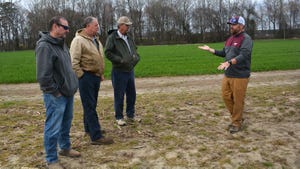
Partnership for a Sustainable Georgia — Ag Track works with growers like the Wootens to promote agricultural efficiency, said Adam Speir, a University of Georgia Cooperative Extension ag pollution specialist.

“The program promotes the good work of Georgia farmers and producers who are using good environmental practices on their operations,” said Speir, who coordinates the program through the UGA College of Agricultural and Environmental Sciences.

The free, volunteer program is administered by the Georgia Department of Natural Resources.

“To date, more than 160 businesses, towns, colleges and state agencies have reduced waste, water and energy usage by participating in the program,” Speir said.

DNR’s Pollution Prevention Assistance Division also helps participating partners improve recycling and find uses for by-products, he said.

The program has four levels: Champion, bronze, silver and gold. The entry level for each participant is based on their current conservation efforts and those slated for completion in the program.

The Wootens are at the silver level, which means that they are operating under a conservation plan.

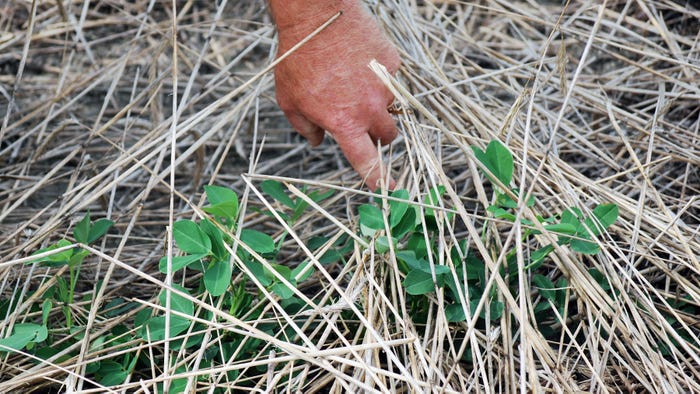
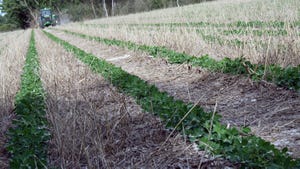
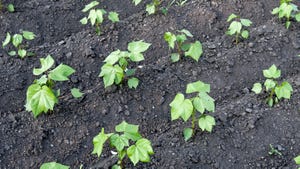
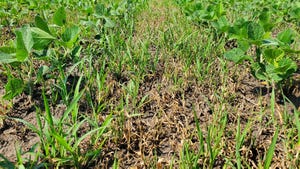
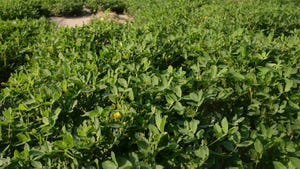
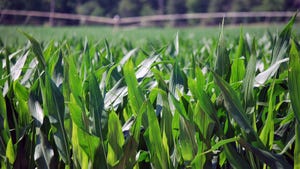
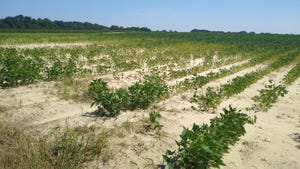
The Wootens started the program three years ago. They now plant their 1,500 acres of corn, wheat and soybeans using conservation-tillage, a method that doesn’t disturb the soil much and increases its organic matter and water-holding capacity.

“By using conservation-tillage and strip-tillage, the Wootens are seeing good yields on their soybeans,” Speir said. “And, more importantly for the environment, they are building up their soil.”

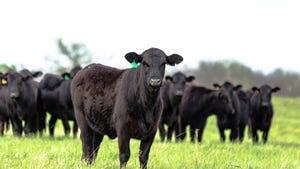
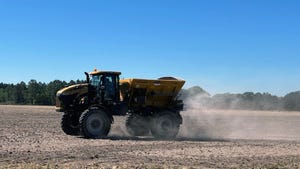
The Wootens follow a nutrient plan that carefully balances their soil inputs and crop requirements. They compost waste from their 10 chicken houses and spread the compost on their pastureland as fertilizer.

Tabatha Wooten is looking forward to offering tours and workshops to give others the opportunity to learn about her family’s good stewardship.

“I’d like to share with other farmers who’d like to learn from what we are doing,” she said.

She wants to promote energy efficiency.

“Heating poultry houses is a big expense,” she said. “Working with UGA scientists has helped us do an energy assessment and diagnose problem areas. This resulted in conservation of energy and gave us ideas about alternative energy sources.”

Participating in the program also allows farmers to network and mentor with their peers as well as state and local officials, Speir said.

“There are issues out there that we need answers for, and we can learn from others who have faced and solved a lot of the problems we are dealing with now,” Wooten said. “Instead of going out there blind, we can take others’ expertise and learn from them.”

Wooten wants to learn more about government assistance and grants programs that may be available to Georgia farmers.

“This program is one of them,” she said. “It doesn’t cost us anything except a time commitment to work with them and do an environmental assessment.”

For more information on the program, contact your local county UGA Extension office at 1-800-ASK-UGA1.

Get Copyright ClearanceWant to use this article? Click here for options!
© 2009 Penton Media, Inc.


Latest Jobs

resources

events icon events

product info icon tradeshows

tradeshow icon digests

research icon photos

Continuing Education

Accredited in Florida, Georgia, New Mexico, Oklahoma, Texas, South Carolina and Tennessee:


(New Course)
Weed Resistance Management in Cotton

This course covers a wide range of options to effectively control weeds in cotton and reduce the risk of weed resistance management. It is accredited for hours/units for licensed/accredited applicators in 7 U.S. Cotton Belt states (Florida, Georgia, New Mexico, Oklahoma, Texas, South Carolina an d Tennessee. CCA credit is pending).

(New Course)
New Mode of Action Chemistry for Vegetable Production

Integration of a new mode of action compound like Coragen into IPM and IRM programs to control Lepidoptera in leafy greens, fruiting vegetables, peppers and brassica or cole crops is always welcome. This online CE accredited course details how best to use this new mode of action insecticide in intensive vegetable production. It is accredited by the Certified Crop Adviser (CCA) program and by state agencies for licensed applicators in Texas, Georgia, Florida, New Jersey and Pennsylvania.

(New Course)
Utilizing Calcium as Nutrient That Protects Against Disease Organisms

This online accredited course focuses on Calcium, an important plant nutrient in fertilizer management for maximum, healthy plant development as well as disease and pest prevention. It is accredited by the Certified Crop Adviser (CCA) program and for licensed applicators in licensed Georgia, Florida, Pennsylvania and New Jersey. Credit applications are pending in South Carolina, Tennessee, Virginia, West Virginia and Washington.

This course is accredited in Texas, Oklahoma, New Mexico, Virginia, West Virginia and Wyoming as well as for CCA credits:

(New Course)
Spray Drift Management

Keeping crop protection chemicals on the crop for which they are intended has been a cornerstone of farming not only to protect neighboring crops, but to not waste money allowing products to drift off the intended target. This accredited online continuing education course covers the critical elements of spray drift management.

Back to Top

Browse Print Issues

Additional Resources

subscribe to Farm Press Daily Delta Farm Press Southwest Farm Press Western Farm Press