Additional Tennessee counties eligible for disaster assistance

• The designation makes a total of 76 Tennessee counties that have been designated a primary natural disaster as a result of last year’s drought.

• The Secretarial disaster designation makes farmers in primary and adjoining counties eligible to apply for low-interest loans, supplemental farm payments and other assistance through their local USDA Farm Service Agency.

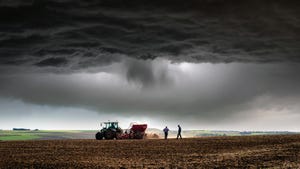
Governor Bill Haslam has announced that U.S. Secretary of Agriculture Tom Vilsack has designated 34 additional Tennessee counties a natural disaster for agriculture as a result of drought and excessive heat during last year’s growing season.

Haslam requested the Secretarial designation earlier this month.

Counties designated as primary natural disaster areas include Cheatham, Clay, Coffee, Crockett, Cumberland, Dickson, Fentress, Franklin, Gibson, Giles, Grundy, Haywood, Houston, Humphreys, Jackson, Johnson, Lake, Lawrence, Lincoln, Macon, Maury, Montgomery, Morgan, Obion, Robertson, Scott, Shelby, Smith, Stewart, Trousdale, Van Buren, Wayne, White and Wilson. 

“Agriculture is an important industry in this state and contributes significantly to our rural economy. I’m pleased that USDA has acted on my request so promptly,” said Haslam. “I hope this assistance will help eligible farmers better prepare for the upcoming growing season.”

The designation makes a total of 76 Tennessee counties that have been designated a primary natural disaster as a result of last year’s drought. The Secretarial disaster designation makes farmers in primary and adjoining counties eligible to apply for low-interest loans, supplemental farm payments and other assistance through their local USDA Farm Service Agency. 

Adjoining counties where farmers are also eligible for assistance include Anderson, Bedford, Benton, Bledsoe, Campbell, Cannon, Carroll, Carter, Davidson, DeKalb, Decatur, Dyer, Fayette, Hardeman, Hardin, Henry, Hickman, Lauderdale, Lewis, Madison, Marion, Marshall, Moore, Overton, Perry, Pickett, Putnam, Rhea, Roane, Rutherford, Sequatchie, Sullivan, Sumner, Tipton, Warren, Weakley and Williamson. 

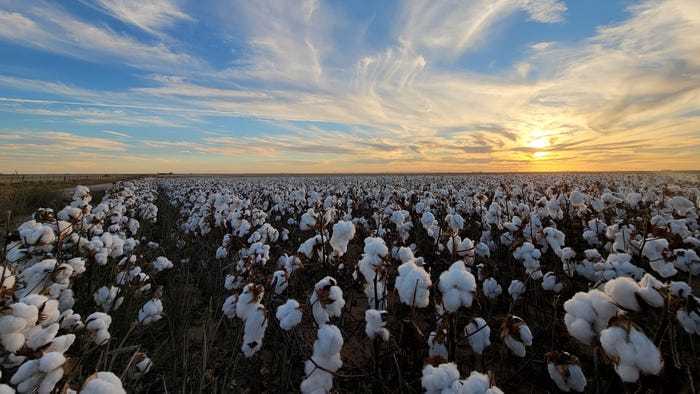
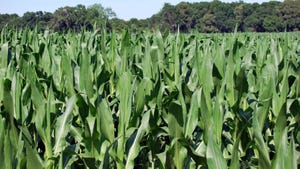
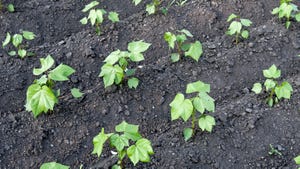
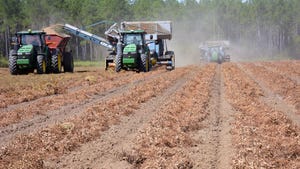
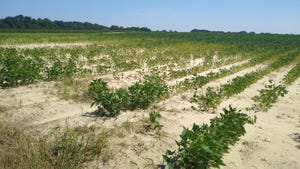
Farmers in affected counties reported crop losses generally ranging from 30 to 50 percent, and higher in some cases, for corn, soybeans, cotton, hay and specialty crops. Livestock producers also reported feeding winter stocks of hay earlier than normal last year. 

For the latest information on last year’s crop harvest, visit the USDA-NASS Tennessee Field Office website at www.nass.usda.gov/tn. A complete list of designated counties can be found at http://www.fema.gov/dhsusda/searchState.do.


Discuss this article 0

Post new comment
Sign In or register to use your Southeast Farm Press ID

(optional)

Continuing Education Courses
New Course
The course details six of the primary diseases affecting citrus: Huanglongbing (Citrus...
Potassium nitrate has a positive effect in controlling plant pests and diseases when applied...
This online CE course details sound mechanical irrigation design and management practices to...
Farmer-to-Farmer Used Equipment