Jul 8, 2009 3:01 PM, By Jim Langcuster, Alabama Cooperative Extension System
Fifty years ago, a response to chronic insect problems not only changed the face of cotton farming in the South, but also provided thousands of young people with the means to complete their college education....
Jul 7, 2009 9:56 AM, By Elton Robinson, Farm Press Editorial Staff

Foreign textile mills prefer cotton bales wrapped in cotton bagging, while domestic mills prefer theirs secured with PE (polyethylene) film according to surveys conducted in 2008 with the help of the National Cotton Council, Cotton Council International and the National Council of Textile Organizations....
Jul 6, 2009 9:35 AM, By Cary Blake, Farm Press Editorial Staff
Despite its naysayers, the U.S. cotton industry creates a positive environmental footprint worthy of bragging rights....
Jul 1, 2009 1:02 PM, By Brad Haire, University of Georgia
After rough spring weather, the heat is on. ...
Jul 1, 2009 12:04 PM, By Ray Nabors, Contributing Writer
Crop prices are beginning the annual meteorological reaction. ...
Jul 1, 2009 8:06 AM, By Jack Bachelor
North Carolina Extension Entomologist
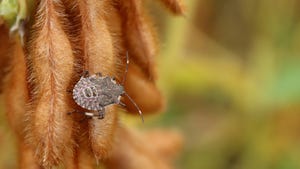
For cotton growers, stink bugs present a frustrating problem: Although many cotton insects and their damage vary from year to year and from field to field, stink bugs probably take the cake. ...
Jun 30, 2009 10:19 AM, By Elton Robinson
Farm Press Editorial Staff

U.S. farmers planted a record-breaking soybean crop this spring, according to USDA’s June 30 Planted Acreage report. ...
News from the Farm BillHouse votes to suspend base acre provisionSep 26, 2008 9:14 AM The House passed legislation supported by both parties that would suspend for the 2008 and 2009 crop years a farm bill provision that required producers to have a minimum of 10-base acres to receive program benefits. ... Senators, ag secretary spar over ACRE provisionsSep 16, 2008 10:21 AM, By Forrest Laws A group of farm-state senators led by Agriculture Committee Chairman Tom Harkin is asking Agriculture Secretary Ed Schafer to stop trying to re-write the Food, Conservation and Energy Act of 2008 through the regulations implementing the new farm bill.... ACRE could be boon or bust for southern farmersJul 15, 2008 9:34 AM, By Forrest Laws The chairmen of the House and the Senate Agriculture Committees and the Bush administration couldn’t find much to agree on in the 2008 farm bill. ... Farm bill, flooding: Economist Daryll RayJul 9, 2008 9:57 AM, By David Bennett After the first round of producer organization-sponsored farm bill meetings, Southeast farmers still have plenty of questions about the new legislation.... |
advertisement |
advertisement

This course covers a wide range of options to effectively control weeds in cotton and reduce the risk of weed resistance management. It is accredited for hours/units for licensed/accredited applicators in 7 U.S. Cotton Belt states (Florida, Georgia, New Mexico, Oklahoma, Texas, South Carolina an d Tennessee. CCA credit is pending).
Integration of a new mode of action compound like Coragen into IPM and IRM programs to control Lepidoptera in leafy greens, fruiting vegetables, peppers and brassica or cole crops is always welcome. This online CE accredited course details how best to use this new mode of action insecticide in intensive vegetable production. It is accredited by the Certified Crop Adviser (CCA) program and by state agencies for licensed applicators in Texas, Georgia, Florida, New Jersey and Pennsylvania.
(New Course)This online accredited course focuses on Calcium, an important plant nutrient in fertilizer management for maximum, healthy plant development as well as disease and pest prevention. It is accredited by the Certified Crop Adviser (CCA) program and for licensed applicators in licensed Georgia, Florida, Pennsylvania and New Jersey. Credit applications are pending in South Carolina, Tennessee, Virginia, West Virginia and Washington.
Keeping crop protection chemicals on the crop for which they are intended has been a cornerstone of farming not only to protect neighboring crops, but to not waste money allowing products to drift off the intended target. This accredited online continuing education course covers the critical elements of spray drift management.