Water critical for renewable energy

Nov 19, 2007 11:28 AM, By Jim Langcuster
Auburn University


If you think water is a precious commodity now, just wait until the nation becomes more deeply invested in renewable energy.

That’s when water will become an especially valued and critical commodity, according to one expert.

“It doesn’t matter whether you’re talking about hydropower, nuclear power or bioenergy, you’re talking about lots and lots of water,” says Jim Hairston, the Alabama Cooperative Extension System’s water coordinator and Auburn University professor of agronomy and soils.

Biofuels are a case in point. Contrary to widespread opinion, people have been using biofuels or things strikingly similar to it for generations. And anyone involved in this process knows that it requires water, lots of water, Hairston says.

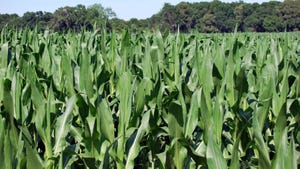
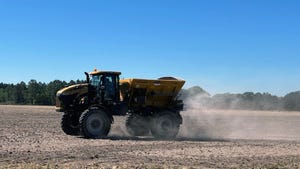
“Anytime you talk about growing a crop in the field, especially if you’re only harvesting the reproductive part of the plant such as corn kernels for fuel, you are going to encounter huge water demands for energy,” Hairston says.

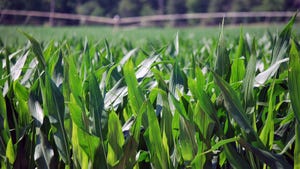
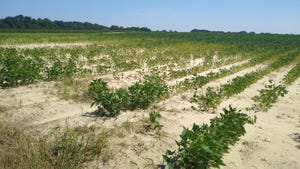
In fact, Alabama farmers’ recent struggles with corn production during the prolonged drought speak volumes about this issue.

“An annual plant like corn has to have water in ample amounts at critical times of the year for it to be produced into biofuel sources, because if you don’t have the grain on the plant, you’re not going to have the bioenergy to produce the ethanol,” Hairston says.

These types of crops are different from another form of bioenergy crop, known as cellulose or biomass. With cellulose, the whole plant is converted into biofuel rather than only part of the plant — the case with corn, in which only the kernels are converted.

As Hairston sees it, “you just can’t separate energy security from water, no matter how hard you try.

“No water, no biomass. It’s as simple as that.”

But the same principle applies to renewable sources of energy in addition to corn and other bioenergy crops. Nuclear energy, a controversial renewable energy source that has earned a measure of respect in recent years as the nation struggles to move beyond fossil fuel-related sources, also depends heavily on water.

“You can’t just build a nuclear power plant anywhere, you have to have huge volumes of water for cooling towers,” Hairston says, adding that these nuclear plants consume considerably more water than conventional hydropowered electric plants consume.

In fact, Hairston even can imagine a time when an energy-strapped United States begins building nuclear power plants on the ocean to ensure a readily accessible water source for production.

The close connection between water and most renewable energy has not been lost on many policymakers as they prepare the rest of the nation for the transition to large-scale renewable energy production.

The new generation of biofuels known as cellulosic ethanol possibly could alleviate some of this water demand, though they would be far from a panacea. And this raises the question: As demand for renewable energy, particularly in the form of energy crops, increases, where will the water come from to grow them?

It’s precisely this concern that accounts for why Hairston and an informal coalition of university professors throughout the state have been touting the need for better stewardship of the state’s water resources in preparation for Alabama’s likely conversion into a major source of energy crop production.

“We’re in good shape in the Southeast, and it’s simply because we have all the water,” Hairston says. “But we’ve got to use common sense in the way we manage this water.”

One solution would involve the construction of off-stream reservoirs. Water generated during periods of heavy rainfall could be trapped and stored in these reservoirs during periods of heavy rainfall and then used later during those parts of the year when water is critical for growing bioenergy crops.

Get Copyright ClearanceWant to use this article? Click here for options!
© 2008 Penton Media, Inc.


Latest Jobs

resources

events icon events

product info icon tradeshows

tradeshow icon digests

research icon photos

Continuing Education

For National Certified Crop Advisers

A free, accredited, self-study 1-CEU on spray drift management for all for all American Society of Agronomy Certified Crop Advisers in the U.S. and Canada.

ACCREDITED IN CALIFORNIA ONLY:


Almond Pest Management

Get the latest info on almond insect pest management and earn 2 hrs. CE DPR and CCA credit in California.

California Groundwater Protection Regulations

Earn 2 hrs. in California laws and regs CE and learn how to protect California groundwater supplies.

Powdery Mildew Control in California Grapevines

Learn about the No. 1 grape disease in California; earn 2 California CE hours.

ACCREDITED IN CALIFORNIA AND ARIZONA:


Insecticide Resistance Management in Agronomic and Row Crops

A 3-hr. CE approved for California and Arizona licensees and CCAs in both states.

Agronomic Weed Resistance Management in Row Crops, Trees Nuts and Vines

Weeds Resistance Management is approved for 3 hours of CE credit for all California and Arizona licensees and Certified Crop Advisers.

Lepidopterous Pest Management/ Pesticide Safety

This course is approved for 2 hours in Arizona and California (1 hr. of laws/regs; 1 hour Other) and for CCAs.

Managing Spray Drift to Minimize Problems

2-hrs laws and regs for California licensees; 2 hours in Arizona and for CCAs.

Back to Top

Browse Print Issues

Additional Resources

subscribe to Farm Press Daily Delta Farm Press Southwest Farm Press Western Farm Press